

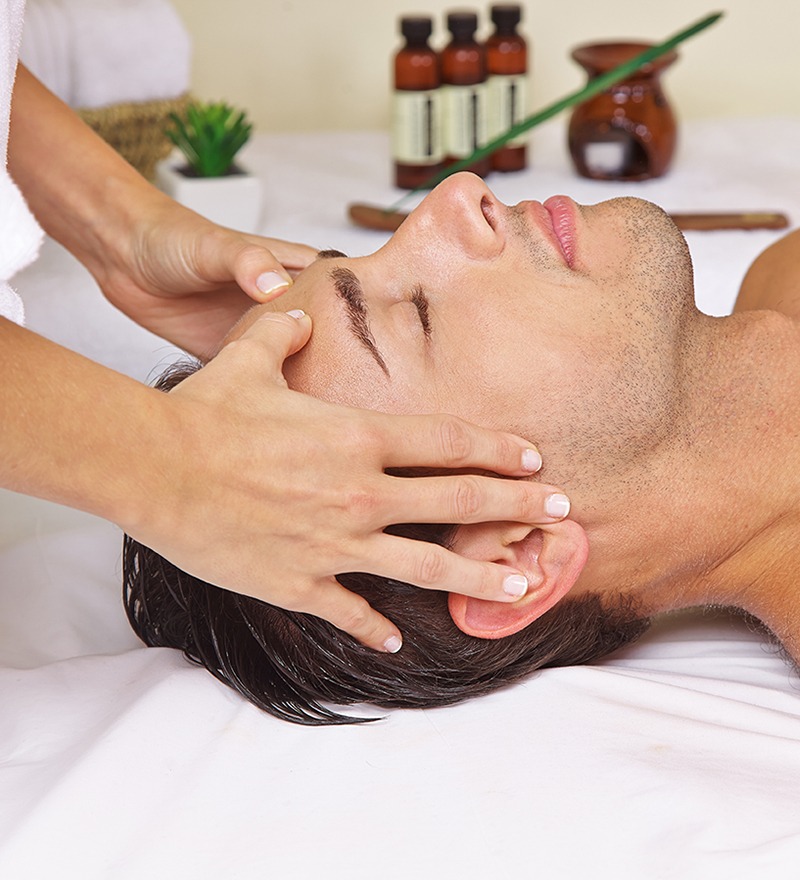
CRANIAL OSTEOPATHY is a gentle and precise approach based on the osteopathic understanding of the intricate relationships between the bones of the skull, their sutures, the membranes surrounding the brain and the cerebrospinal fluid (CSF).
The skull is not a single solid structure, but is formed by multiple bones that fit together like a complex three-dimensional puzzle. These bones meet at specialised joints called sutures, which create subtle areas of movement and adaptability within the cranial system. Within the cranial osteopathic model, these structures are influenced by a subtle, rhythmic motion known as the Primary Respiratory Mechanism (PRM). This model proposes that the rhythmic fluctuations of the cerebrospinal fluid, together with the inherent motility of the central nervous system and the reciprocal tension of the cranial membranes, contribute to subtle movements within the cranial system.
Treatment aims to encourage greater balance and freedom within these tissues and to support the body’s natural capacity for adaptation and regulation.
Cranial techniques may have a regulatory effect on the autonomic nervous system, particularly by supporting parasympathetic activity, which is associated with rest, recovery and physiological regulation. Gentle work on the skull, around the head, neck and upper cervical region may also influence neural pathways of the vagus nerve.
The vagus nerve, whose name derives from the Latin vagus, meaning ‘wandering’, is the longest cranial nerve in the body, travelling from the brainstem through the neck and into the chest and abdomen, where it provides extensive parasympathetic innervation to many vital organs and plays a key role in regulating the body’s rest, digestion and recovery functions. Within a holistic approach, attention to the cranial and cervical regions may therefore support the body’s natural ability to shift towards a more relaxed and balanced state.
This treatment is also commonly referred to as cranio-sacral osteopathy, reflecting the anatomical and functional relationship between the cranial structures and the sacrum. Within the cranial osteopathic model, the cerebrospinal fluid circulates around the brain and spinal cord within the craniosacral system, creating a continuous relationship between the cranium and the sacrum. By supporting parasympathetic regulation, cranial treatment may also help promote healthy function of the digestive, pelvic and reproductive systems.
Because cranial osteopathy uses exceptionally gentle and non-invasive techniques, it can be particularly suitable for newborns, infants and young children, as well as for adults who prefer a more subtle approach to osteopathic treatment. It can also be an excellent option for patients who are sensitive to, or prefer to avoid, stronger structural techniques.
Cranial Osteopathy may be particularly helpful in supporting patients experiencing:
-
- Newborns experiencing colic, sleep difficulties, digestive discomfort, reflux, torticollis or plagiocephaly
- Tension headaches and headaches associated with neck tension
- Jaw tension and temporomandibular joint (TMJ) discomfort
- Facial, jaw and scalp muscle tension
- Neck stiffness and upper cervical tension
- Tension around the forehead, temples and eyes
- Facial or cranial tension following dental treatment
- Postural tension involving the head, neck and jaw
- Stress-related muscular tension and difficulty relaxing
- Physical tension associated with prolonged screen use or sustained postures
- General cranial, facial or cervical tension and restricted mobility