Babies
A baby’s skull is remarkably different from that of an adult. The cranial bones are not yet fully consolidated; they are connected by flexible fibrous sutures and fontanelles, allowing the skull to remain adaptable and accommodate both the mechanical demands of birth and the rapid growth of the developing brain.
During a vaginal birth, the baby’s head naturally undergoes a process known as cranial moulding. As the head moves through the pelvis, the pressure exerted by the surrounding tissues can temporarily alter the relationship between the cranial bones, allowing them to overlap and adapt to the forces involved during delivery. This is a normal physiological process that enables the relatively large head to pass through the birth canal. In most babies, these temporary changes gradually resolve during the first days following birth. However, even following an uncomplicated delivery, some babies may present with areas of muscular or postural tension, asymmetry or reduced ease of movement.
The early postnatal period brings another phase of rapid adaptation. Feeding, sucking, swallowing, crying and the development of head and neck control all involve repeated muscular and postural activity. As the baby grows, the cranial bones, sutures and surrounding soft tissues continue to remodel in response to the rapidly developing brain and changing demands placed on the body.
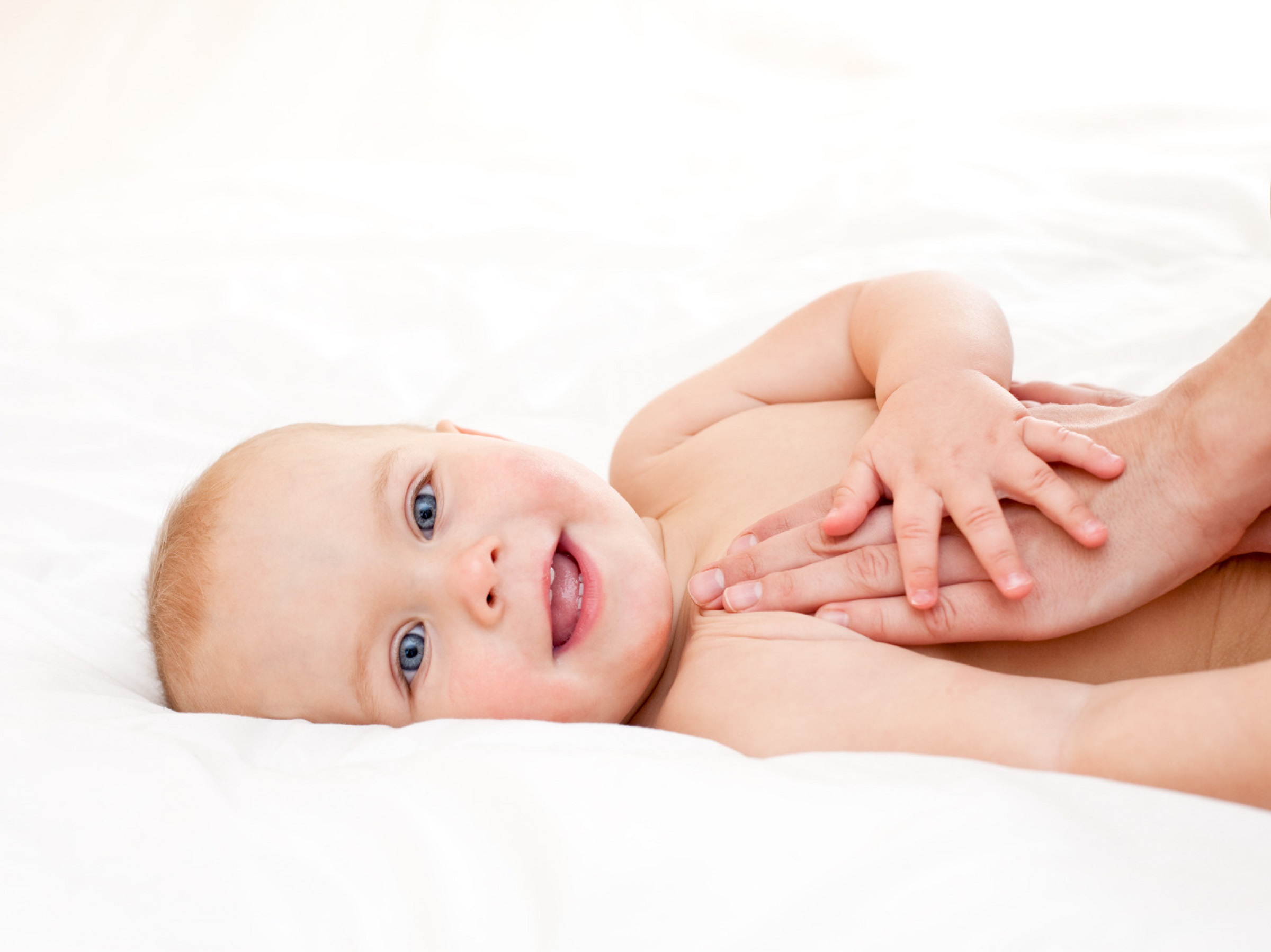
Osteopathic care for babies is gentle, precise and adapted to each child, providing a calm and reassuring experience throughout the session. Through careful observation and light, non-invasive techniques such as soft tissue, fascial, articulatory and cranial approaches, the osteopath assesses and addresses areas of tension, restricted mobility or asymmetry, supporting the baby’s natural ability to adapt and encouraging greater ease of movement and comfort.
Treatment may also be complemented by practical advice for parents with positioning, feeding and everyday care. Osteopathy can provide a supportive, holistic approach alongside appropriate medical or paediatric care.
Parents may seek osteopathic care for babies experiencing:
-
- Difficulty settling or excessive crying
- Feeding or latching difficulties
- Digestive discomfort or wind
- Reflux or frequent regurgitation
- Tension or stiffness in the neck
- Preference for turning the head to one side
- Positional head asymmetry or plagiocephaly
- General muscular or postural tension
- Difficulties settling into sleep
- Discomfort following a challenging birth