Pregnant Women
Pregnancy & Postpartum
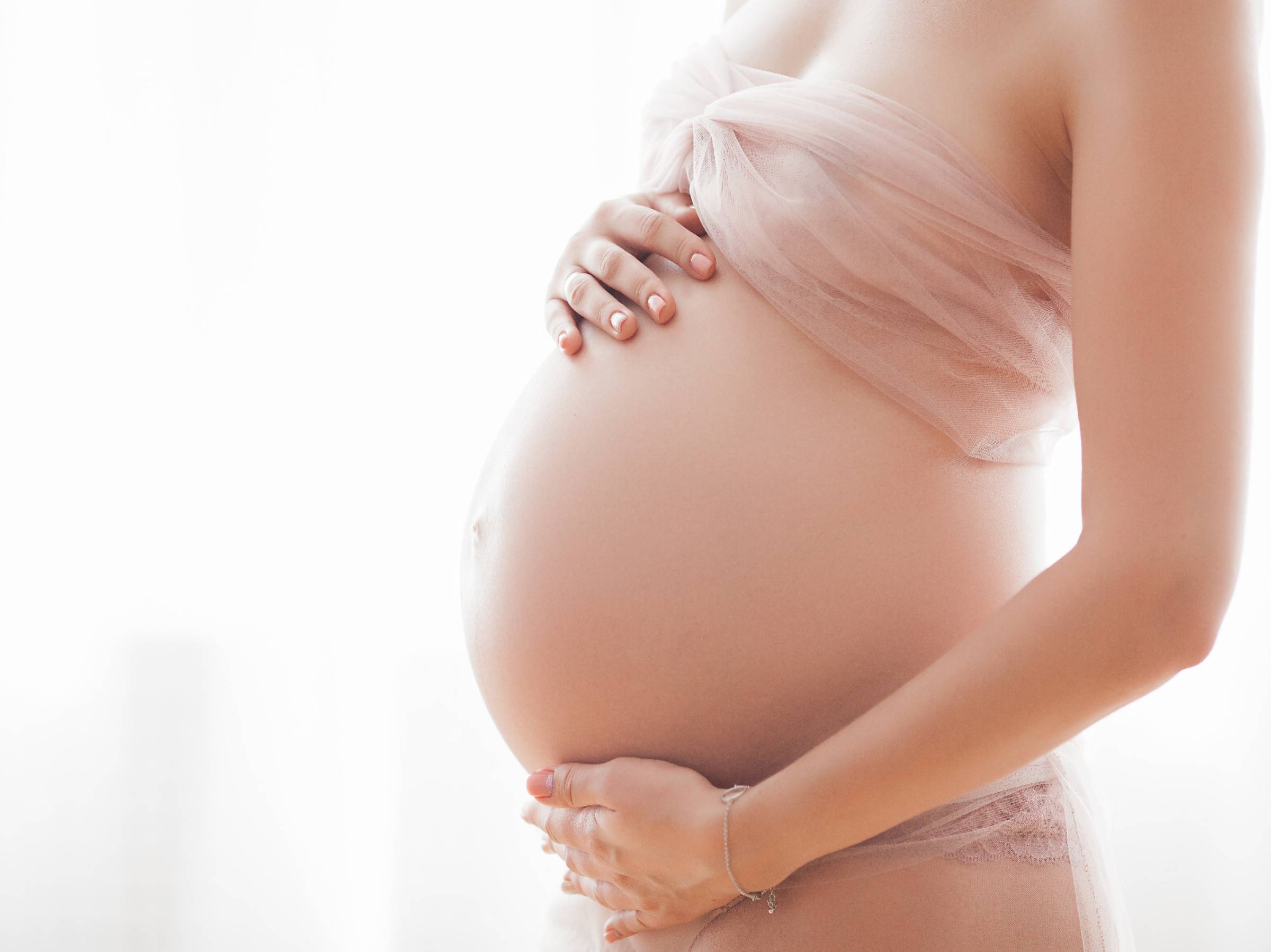
Pregnancy is a time of profound physical change. As the baby grows, the body progressively adapts: the pelvis and spine adjust to a changing centre of gravity, the abdominal and pelvic muscles are placed under increasing strain, while hormonal changes contribute to greater ligamentous flexibility. These adaptations can affect posture, movement and the way the body distributes load, sometimes leading to discomfort or restricted mobility.
Osteopathy can support the body throughout these changes by gently addressing areas of tension, restriction and imbalance, helping to maintain mobility and improve overall comfort throughout pregnancy. Treatment is gentle and adapted to each stage of pregnancy and to the individual needs of the mother. Osteopathic care can also help prepare the body for labour and support its recovery afterwards, particularly following a challenging birth.
Postpartum osteopathy can provide valuable support as the body recovers from pregnancy and childbirth. As the pelvis, spine, abdominal wall and pelvic floor gradually readapt, new physical demands such as breastfeeding, feeding and carrying the baby can place additional strain on the body. Osteopathic care can help restore comfortable movement, ease muscular and joint tension and support the body through this transition.
Osteopathy may help during pregnancy with:
-
- Lower back pain and stiffness
- Pelvic and hip pain
- Pelvic girdle pain (PGP)
- Sciatica and leg discomfort
- Rib and upper back pain
- Neck and shoulder tension
- Muscle aches and general discomfort
- Postural changes and restricted mobility
Osteopathy may help during the postpartum period with:
-
- Lower back, pelvic and hip pain
- Pelvic girdle, sacroiliac and pubic discomfort
- Coccyx and tailbone pain
- Neck, shoulder and upper back tension
- Postural strain related to breastfeeding, feeding and carrying your baby
- Rib pain and restricted mobility
- Abdominal tension and diastasis recti
- Pelvic floor tension, weakness and discomfort
- Tension or discomfort following a C-section, episiotomy or perineal healing
- Wrist and thumb pain, including De Quervain’s tenosynovitis